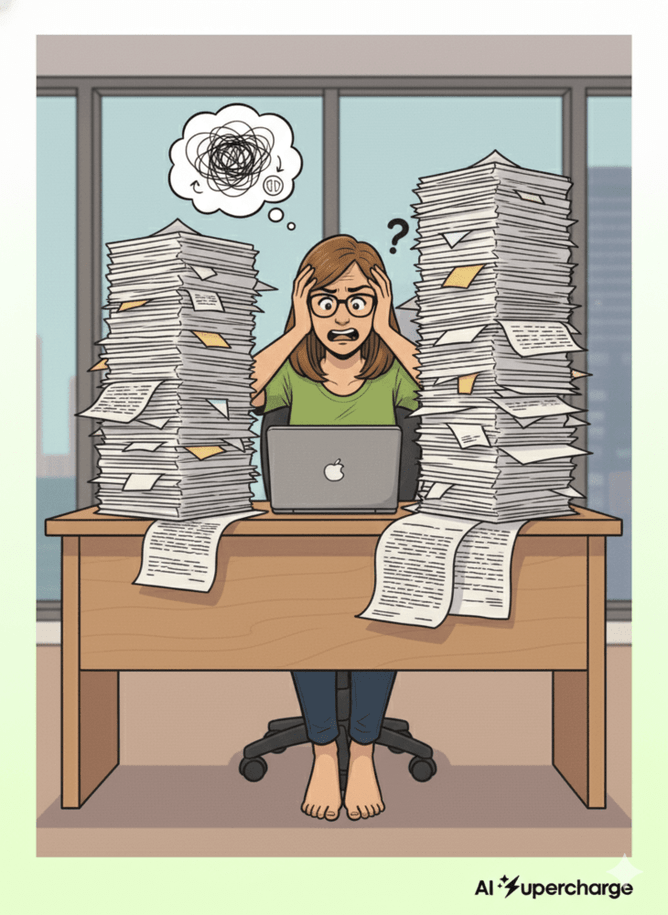
Hands up if you've ever signed an insurance policy without reading every single page of fine print. Whether it's health insurance, car insurance, or that travel policy you grabbed five minutes before your flight, most of us just scroll to the bottom and click "I agree."
But what if I told you there's a smarter way to tackle contract reviews that doesn't involve either blind faith or hiring a lawyer for every document that crosses your desk?
Contracts are everywhere in business and personal life. From venue rentals for your company event to software subscriptions, we're constantly agreeing to terms that could have significant implications down the track.
The problem? Most contracts are lengthy and written in legal jargon. While I'm not suggesting you replace proper legal advice for major purchases (like a house!!), there's a middle ground where AI can assist.
Enter Your AI Legal Assistant
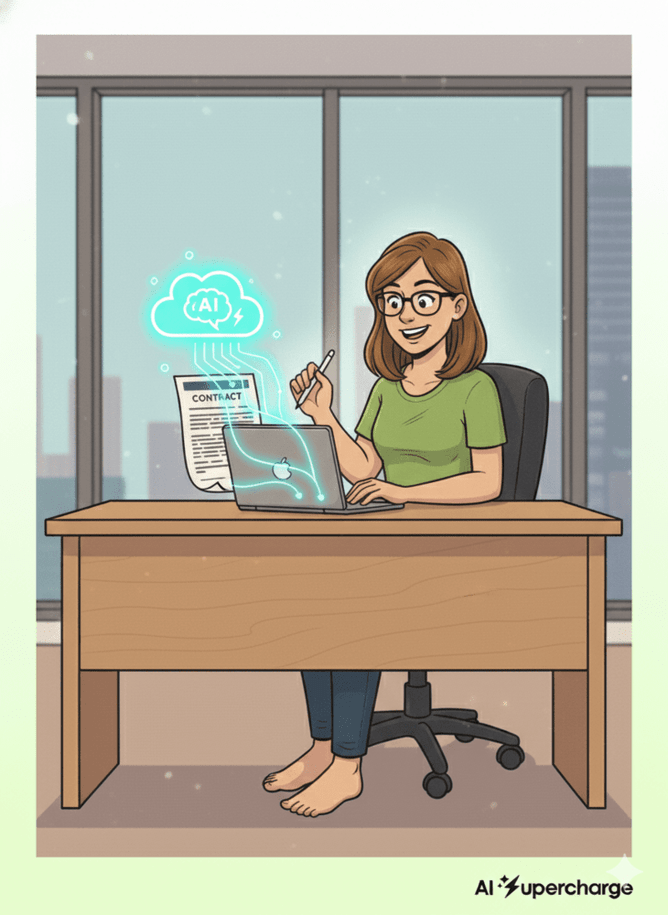
AI tools like ChatGPT or Claude can become your personal contract reviewer, surfacing key points and potential red flags you might otherwise miss. The trick is knowing how to ask the right questions with the right context.
Think of it like this: instead of handing a contract to a junior lawyer and saying "what's in this?", you're giving your AI assistant specific instructions about what to look for based on your unique situation.
Here are some practical examples to illustrate this further.
Travel Insurance Deep Dive
You are about to go on holiday and decide you'd better get travel insurance. The policy is 20 pages long. Instead of asking "what's in this travel insurance policy?", try this approach: "You are a lawyer. Your client is travelling to America on a business trip. Review this travel insurance document and highlight exclusions that could affect business travel, coverage limits for work equipment, and what is a valid claim for trip cancellation."
Suddenly, you're not getting generic policy summaries – you're getting targeted insights about whether your laptop is covered if it gets stolen at the airport, or if that important client meeting gets cancelled (the only reason you were going in the first place) counts as a valid claim.
Venue Rental Reality Check
Picture this: you've found the perfect venue for your company's annual event. Before signing, feed that contract into AI with context like: "You are a lawyer. Your client has signed a contract to rent a venue for a high-value corporate event. What is the cancellation policy if the event can no longer go ahead? What security provisions are included? Are there any clauses about hiring external caterers or AV providers that should raise concerns?"
AI will flag things like whether you're locked into using their overpriced caterer, if you're liable for damages caused by your guests, or what happens if they double-book your date.
The Magic is in the Prompting
Expecting to upload a contract and have all those answers without applying thought is like hopping in a car with no lessons on driving. Instead, you need to be specific with your prompts and provide good context. Think about:
- Who you are: Business owner, event organiser, traveller
- What you're trying to achieve: Avoid hidden costs, understand obligations, identify risks
- What specific concerns you have: Cancellation policies, liability issues, equipment coverage
This transforms AI from a generic summarising tool into a focused legal research assistant that understands your unique situation.
When to Bring in the Professionals
For high-value contracts, property purchases, or anything that could significantly impact your business, you'll want to meet with a real lawyer. In this instance, AI is a great starting baseline, highlighting key points so you can have a more informed conversation with legal professionals. It's like doing your homework before the meeting – you'll ask better questions and get more value from that expensive consultation.

The Kiwi AI Legal Solution
For New Zealand contracts specifically, there's LawCyborg – a tool containing only New Zealand law, which means no hallucinations on overseas law that doesn’t apply here. When you need accuracy specific to our legal system, this can be incredibly valuable.
Your Next Steps
Start small – grab that subscription agreement you've been meaning to review, the car or health insurance policy sitting in your inbox. Try the context-heavy prompting approach and see what insights emerge.
Remember, the goal isn't to replace legal advice entirely, but to become a more informed decision-maker. When you understand what you're signing, you make better choices – and that's a superpower worth developing.
Want to master AI tools for your business operations? Our courses cover practical applications like contract review and much more. Let's get supercharged together!
